Local ad clicks and booked jobs: where the gap starts
Why a click is only the beginning
A local ad click can look like progress. The ad appeared, someone tapped it, and the account shows activity. A booked job is different. It means the right person reached the right page, understood the offer, gave enough detail, and felt confident enough to take the next step. Google Ads management works across that whole path, not just the moment someone clicks.
For contractors and local businesses, the gap between clicks and jobs is common. Local searches often come from people with urgent needs, limited time, and several competing options. A click may come from a nearby homeowner comparing providers, a person researching a future project, or someone who tapped the wrong result. Each of those clicks has a different chance of becoming a call, form, or appointment.
That does not mean the ad spend was wasted. It means the campaign needs to be read as a chain of decisions. keyword targeting brings the visitor in. The landing page either earns trust or loses it. The phone number, form, hours, reviews, service area, and follow-up all shape what happens next. When one link in that chain is weak, clicks can keep arriving while booked jobs stay flat.
What Google Ads management actually covers
Google Ads management is the ongoing work of steering an ad campaign so it reaches useful searches and turns them into leads and appointments. It includes choosing search terms, writing ads, setting budgets, adjusting bids, choosing locations, measuring results, and improving the pages that receive traffic. The point is not to chase the largest number of clicks. The point is to connect advertising with real customer action.
A locally focused account has extra details to handle. A roofing company may want jobs in certain cities but not across an entire state. A plumber may need emergency calls during specific hours. A HVAC business may see very different demand by season. Google Ads management has to reflect those realities, or the campaign will invite the wrong traffic at the wrong time.
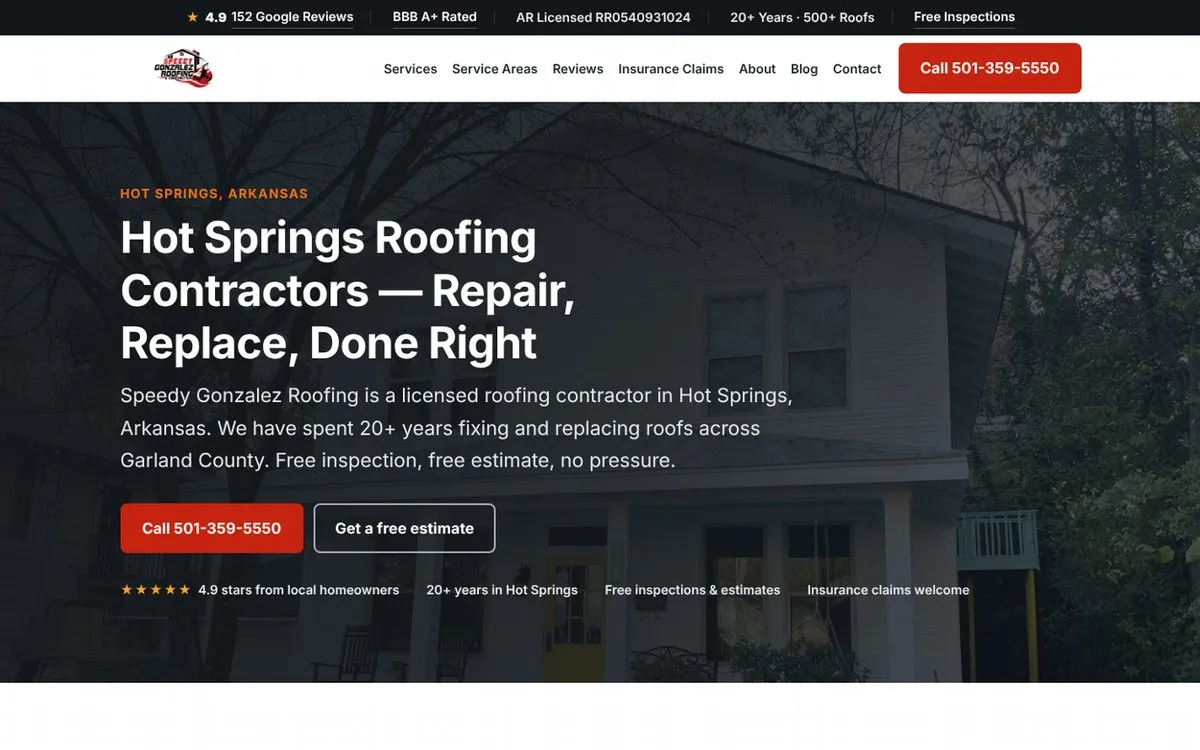
This is where a click can become misleading. If an ad runs across a broad area, people outside the service area may click. If the ad promises a fast response but the phone is unanswered, interest cools. If the landing page lists too many services without a clear next step, visitors may leave. The ad did its job by getting attention, but the rest of the path did not convert that attention.
Why local clicks vary in quality
Local intent is not the same as buying intent. Someone searching for a general term may be early in the decision process. They may want to know what a service costs, how a repair works, or which company is nearby. That person still has value, but they may not be ready to book. Meanwhile, a longer and more specific search may come from someone ready to schedule.
keyword targeting helps sort this out. Broad terms can bring volume, while tighter terms often bring clearer intent. The trade-off is that narrow targeting can reduce traffic, so the account needs enough signal to judge whether those clicks turn into jobs. A campaign with a healthy click through rate can still disappoint if the searches are too vague or the ads attract curiosity rather than customers.
Negative keywords matter here too. They keep the ad campaign away from searches that do not fit the business. For example, a company that installs new systems may not want clicks from people looking only for do it yourself repair advice. A service provider that charges for callouts may not want searches for free help. Removing poor-fit queries is often less visible than writing a new ad, but it can improve the quality of every later step.
The landing page has to finish the sales conversation
An ad creates a promise. The landing page has to confirm it. If the ad is about emergency service, the page should make the phone number and availability obvious. If the ad is about a specific repair, the page should explain that repair in plain language and show how to book it. A generic homepage can work in some cases, but it often forces visitors to hunt for the detail that made them click.
Trust is a practical issue on local pages. Visitors want to know who will come to the property, what area is served, what happens after they make contact, and whether other people have used the service. Reviews, clear service descriptions, license details where relevant, and simple contact options all help. None of these replace good advertising. They make the advertising more useful.
Page speed and mobile layout also affect the outcome. Local searches frequently happen on phones, often between other tasks. A page that loads slowly, hides the call button, or uses tiny text creates friction at the worst moment. conversion rate is a useful measure here because it shows how many visitors take the desired action. A low conversion rate does not always mean the ad was wrong. It may mean the page made the next step too hard to see or too hard to trust.
Measurement can turn a click into a decision
Without measurement, a campaign is judged by appearance. Clicks look good, and cost per lead may look manageable, but booked jobs remain unclear. call tracking can help connect phone inquiries to the campaigns and keywords that produced them. Form tracking can show which pages and ads generated requests. Together, these signals reveal where the path works and where it breaks.
The key is to measure the action that matters. A form submission is not the same as a booked appointment. A phone call is not always a good lead. Some calls are from existing customers, job seekers, suppliers, or people outside the service area. A locally focused campaign should separate useful inquiries from noise wherever possible. That gives Google Ads management a better target than raw volume.
This is why businesses often need to look beyond the ad platform dashboard. A campaign can show a strong click through rate while the phone team misses calls or follows up slowly. A lead can be real but not ready. A booked appointment can be cancelled. The advertising account tells part of the story, and the lead handling tells the rest. impact360media.com sits in that wider local marketing context, where search visibility, websites, reviews, advertising, lead follow-up, and appointments all affect the result.
Attribution is not perfect. People may click an ad, leave, compare options, and return later through a search or a direct visit. Some may call from a saved number after seeing the ad days earlier. Short-term reporting can miss that pattern. The practical answer is to look for consistent signals over time rather than treating each click as a complete story.
What it means for the reader
When local ad clicks do not become booked jobs, the first useful question is not whether the ads are working in isolation. It is where the path loses people. Did the search bring the right kind of visitor? Did the ad match the service and location? Did the page answer the obvious questions? Could the visitor call or book without searching? Was the inquiry handled while interest was still fresh?
Each question points to a different fix. If traffic is broad, keyword targeting and negative keywords may need tighter control. If visitors arrive but leave quickly, the landing page may need clearer wording, stronger proof, or a more visible contact path. If leads arrive but do not book, follow-up and call handling may need attention. If good leads come from only a few search terms, the ad campaign can be reshaped around those patterns.
Google Ads management is most useful when it stays connected to business outcomes. return on ad spend is easier to understand when the account tracks booked work, not just clicks. cost per lead becomes more meaningful when lead quality is clear. A campaign that produces fewer clicks but more suitable appointments may be the better campaign, even if the top-line numbers look smaller.
Local businesses also need to respect timing. Some services have immediate demand, while others involve planning. An emergency plumbing search and a kitchen remodel search should not be treated the same. Ads, pages, and follow-up should match the customer's stage. A person ready to call wants a clear route. A person still researching needs enough detail to feel comfortable returning later.
For a veteran-owned Hot Springs, AR marketing agency helping contractors and local businesses improve Google and AI search visibility, websites, reviews, advertising, lead follow-up, and booked appointments, the subject is not simply more traffic. It is better alignment between the search, the ad, the page, and the next action. impact360media.com reflects that broad local focus, with no contracts as part of the stated business context.
The practical takeaway is straightforward. A click is a signal of interest, not a booking. Booked jobs come from a chain of small decisions that have to work together. When the chain is examined as a whole, local advertising becomes easier to judge and easier to improve. When only clicks are watched, the campaign can look busy while the calendar stays quiet.